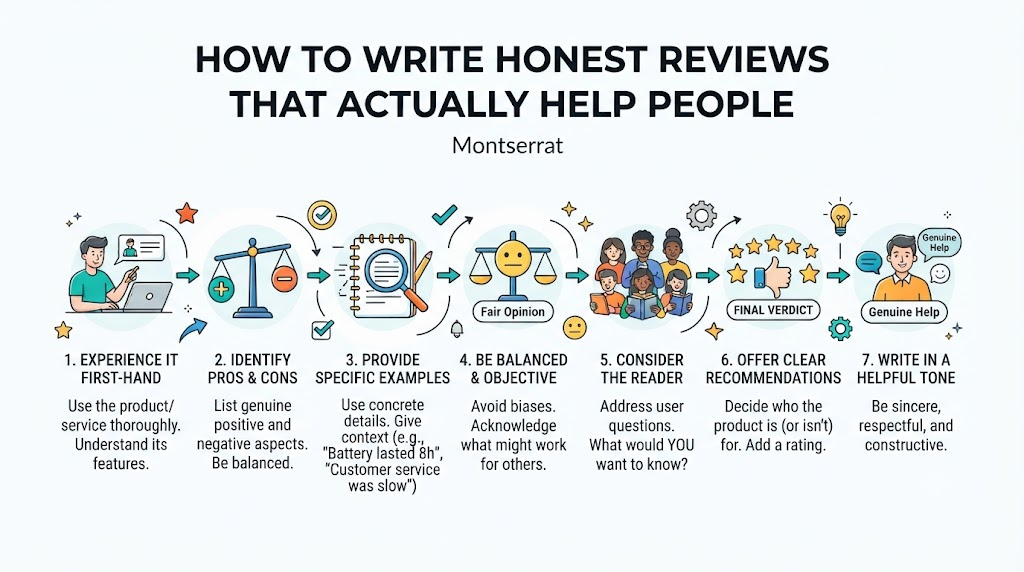
Introduction
Most of us have stood at a crossroads before buying a new gadget, booking a hotel room, or downloading a work tool. We look at online reviews to figure out if the product is worth our hard-earned money. Yet, not every review tells the whole story. A short note that simply says “Great service” does not give you much to work with. On the other hand, a thoughtful review that explains what happened, what worked, what did not work, and who the service might suit can change your mind completely.
Honest and detailed feedback helps everyday people make better decisions. When you share your genuine experience, you are not just venting or praising; you are helping someone else avoid a mistake or find a great solution. Platforms like TrueReviewNow exist to make this kind of shared knowledge easier to explore, letting consumers read real customer reviews before taking the plunge.
What Makes a Review Helpful?
A helpful review is clear, specific, and grounded in real experience. It does not need to be thousands of words long. Quality matters much more than length.
When people read customer reviews, they look for answers to practical questions:
- What did you buy or try?
- How long have you used it?
- What was good about it?
- What was frustrating?
- Would you buy it again?
A great review cuts through the marketing noise and gives a balanced look at the product, service, software, restaurant, or business.
Why Honest Reviews Matter
Honest reviews influence how we shop, eat, travel, and work. When people share genuine feedback, they help others compare options side by side.
For instance, if you are looking at two different project management apps, reading real customer feedback can show you which one is easier for beginners and which one crashes often.
Genuine reviews also help businesses. When a business reads honest customer feedback, they learn what customers appreciate and where they need to improve. Constructive criticism points companies toward better customer service and higher quality.
Start With Your Real Experience
The golden rule of review writing is simple: write only about what you have personally experienced.
If you have never used a specific software tool, do not write a review about it just because you heard a friend talk about it. If you have never eaten at a restaurant, do not leave a rating based on a social media video.
Stick to what you have personally purchased, visited, tested, or used. Your own story has the power of truth, and readers can usually tell when a review comes from real life.
Be Specific Instead of Vague
Vague statements do not give readers enough context. Saying something is “good” or “bad” leaves too much room for guessing.
Compare these two examples:
- Vague: “Good service.”
- Specific: “The support team responded within two hours, explained the setup steps clearly, and helped me fix my billing issue on the first try.”
Specific details give readers a clear picture of what to expect. Mention features, staff actions, pricing details, or delivery times to make your feedback truly useful.
Explain What You Liked
When you have a positive experience, share the details. Do not just say you loved it—explain why.
Discuss areas such as:
- Quality and durability
- Ease of use or setup
- Customer support and communication
- Price and overall value
- Delivery speed or convenience
If a feature stood out to you, mention it. If the staff went out of their way to help you, tell that story. Do not praise something you did not genuinely like just to be nice; keep your positive points honest.
Be Honest About What You Did Not Like
Negative experiences happen, and sharing them helps others avoid the same trouble. However, there is a big difference between venting anger and writing a useful warning.
Instead of writing an insult, explain what went wrong and how it affected your day.
- Unhelpful: “Terrible service, never going back.”
- Helpful: “Our table reservation was lost, and we had to wait forty minutes even though the restaurant was half empty. The food was good later, but the front desk staff was rude.”
Clear, calm criticism gives businesses a chance to fix their mistakes and gives readers valuable warnings.
Keep the Review Fair and Balanced
Most real-world experiences are mixed. A product might look great but feel difficult to set up. A software tool might have brilliant features but a confusing interface.
Whenever you can, mention both strengths and weaknesses. A balanced review builds instant trust with readers because it shows you are looking at the product objectively rather than just trying to complain or praise blindly.
Include Useful Details
Adding the right context makes your review twice as useful. Try to include details such as:
- What exact version, model, or plan you used
- When you made the purchase or visit
- What your initial expectations were
- How any problems were handled by the business
Keep these details practical and skip private data.
Write for the Person Reading the Review
Put yourself in the reader’s shoes. What would you want to know before spending your money?
If you are writing software reviews, talk about setup times, learning curves, and customer support. If you are writing restaurant reviews, mention the atmosphere, food quality, pricing, and parking. Tailor your words to help the next person make a confident choice.
Use Simple and Clear Language
You do not need fancy words to write a great review. Avoid heavy jargon, complicated sentences, and overly dramatic words. Write the way you talk to a friend.
Simple English ensures that people of all backgrounds can understand your thoughts quickly.
Avoid Exaggeration
Words like “perfect,” “worst ever,” “always,” and “never” can weaken your review if they do not match reality.
If a website crashed once during a busy update, saying “this app never works” is an exaggeration. Instead, write: “The app crashed once during my evening login, though it worked fine the next day.” Accurate descriptions build much stronger trust.
How to Write a Review Step by Step
Writing a review does not have to feel complicated. Follow this simple process:
- Identify the item: State clearly what product, service, app, or business you are reviewing.
- State your role: Mention if you are a new customer, a long-term user, or a first-time visitor.
- Describe your goal: Explain why you chose the product or service in the first place.
- Share the experience: Walk through what happened during your usage or visit.
- List the pros: Point out what worked well and exceeded your expectations.
- List the cons: Mention any issues, delays, or shortcomings honestly.
- Give a verdict: Summarize whether you would recommend it and who it is best suited for.
- Proofread: Read through your text once to fix any spelling mistakes before publishing.
How to Write a Review for Different Types of Experiences
Different categories require different details. Tailor your focus depending on what you are reviewing:
- Products: Focus on quality, durability, packaging, and ease of setup.
- Services: Focus on communication, punctuality, and problem-solving.
- Software: Focus on speed, user interface, features, and support.
- Restaurants: Focus on food taste, cleanliness, service speed, and pricing.
- Travel: Focus on booking accuracy, comfort, location, and staff friendliness.
How to Write an Honest Software Review
Software tools can be tricky because features vary widely. When writing software reviews, share your honest journey with installation, navigation, and everyday use.
Mention if the software required technical knowledge or if a beginner could start using it in minutes. Talk about pricing transparency and whether customer support answered your questions when you got stuck.
How to Write an Honest Business or Service Review
When reviewing a local business, plumber, consultant, or online service, focus on professionalism and reliability.
Did they arrive on time? Did they explain the charges upfront? How did they handle changes or mistakes? Focus on the service process rather than petty personal complaints.
How to Write a Negative Review Without Being Unfair
Writing a negative review is sometimes necessary to warn others. Keep your tone calm, respectful, and factual.
Stick to the timeline of events. Explain what was promised versus what was delivered. Avoid insults, name-calling, or angry rants. When you keep your review polite and factual, readers take your warning much more seriously.
How to Handle a Mixed Experience
Many experiences are neither completely wonderful nor totally terrible. If you had a mixed experience, highlight both sides clearly.
For instance, you might love a hotel’s swimming pool and room cleanliness, but find the breakfast overpriced and slow. Sharing these nuances helps readers weigh the pros and cons against their own personal preferences.
How to Avoid Fake or Misleading Reviews
Trust is the foundation of online feedback. Avoid writing reviews for products you have never touched. Never copy someone else’s review word-for-word.
Do not exaggerate minor flaws just to hurt a business, and do not post fake positive reviews in exchange for rewards unless fully disclosed. Keep your voice authentic and truthful.
Review Ethics
Good review writing relies on simple ethical guidelines:
- Honesty: Share only what really happened.
- Fairness: Do not exaggerate good or bad points.
- Transparency: Disclose if you received a free sample or a special discount.
- Respect: Keep your feedback focused on the work or product, not personal attacks.
Should You Include Photos or Other Proof?
Adding photos, screenshots, or receipts can make a review much more useful. A screenshot of a software error message or a photo of a product defect gives undeniable context.
However, always protect privacy. Never post personal phone numbers, home addresses, payment details, passwords, or private chat logs.
Common Review Writing Mistakes
Watch out for these frequent pitfalls:
- Writing only “good” or “bad”: Leaving no details behind.
- Letting anger take over: Using offensive language instead of facts.
- Copying reviews: Repeating what others said online.
- Leaving out context: Forgetting to mention the version or date.
- Sharing private data: Exposing someone’s personal phone number or email.
How to Make a Review More Trustworthy
You can build trust with readers by being thorough, calm, and open about your experience. Mention both your favorite parts and your disappointments. If something changed weeks later, come back and update your thoughts.
Should You Update an Old Review?
Yes! Updating an old review is a great habit. If a software company releases an update that fixes the bugs you complained about, or if a business owner reaches out and resolves your issue, update your review to reflect the current reality. This keeps information accurate for everyone.
How Businesses Can Learn From Honest Reviews
Honest feedback is a goldmine for businesses. Companies use customer feedback to spot repeating complaints, fix product flaws, retrain support staff, and understand what modern consumers truly value.
How TrueReviewNow Can Support Better Review Discovery
Platforms like TrueReviewNow help users discover and explore customer feedback across different categories in one place. By bringing together diverse perspectives, TrueReviewNow makes it easier to research software, services, and businesses before making a final choice. Always look through multiple reviews and balance them against your unique needs.
Frequently Asked Questions
What makes a review helpful? A helpful review provides clear details about a real experience, explaining both positive and negative points so other readers can make an informed decision.
How do I write an honest review? Base your review entirely on something you have personally used, purchased, or tested, and describe your actual experience without exaggeration.
What should I include in a good review? Include what you bought, when you used it, what worked well, what did not work, and whether you would recommend it to others.
Should I mention both positive and negative points? Yes, mentioning both strengths and weaknesses gives readers a balanced and realistic view of the product or service.
How can I write a negative review fairly? Stick to the facts, explain what went wrong clearly, avoid personal insults or angry language, and focus on the actual service or product.
Can I write a review if I had a mixed experience? Definitely. Mixed reviews are often the most useful because they highlight specific trade-offs that help different types of users decide.
Why should reviews be based on personal experience? Reviews based on personal experience are genuine, trustworthy, and accurate, ensuring that readers receive reliable information rather than rumors.
How can I avoid making my review sound exaggerated? Describe exactly what happened step by step instead of using extreme words like “worst ever” or “absolute perfection” without proof.
Should I update an old review? Yes, updating your review is helpful if the business fixed an issue, the software updated, or your overall experience changed over time.
How can honest reviews help other people? Honest reviews save people time and money by guiding them toward great choices and warning them away from poor quality or bad service.
Conclusion
Writing honest reviews is a simple way to make the internet a more helpful place for everyone. By sharing your real experiences, giving specific details, staying fair, and balancing your praise with honest criticism, you give your fellow readers the power to choose wisely. Remember to protect private information, avoid exaggeration, and focus on what truly matters about the product or service. Explore reviews, compare your options, and share your own experiences on TrueReviewNow today to help others make better decisions.
