Introduction
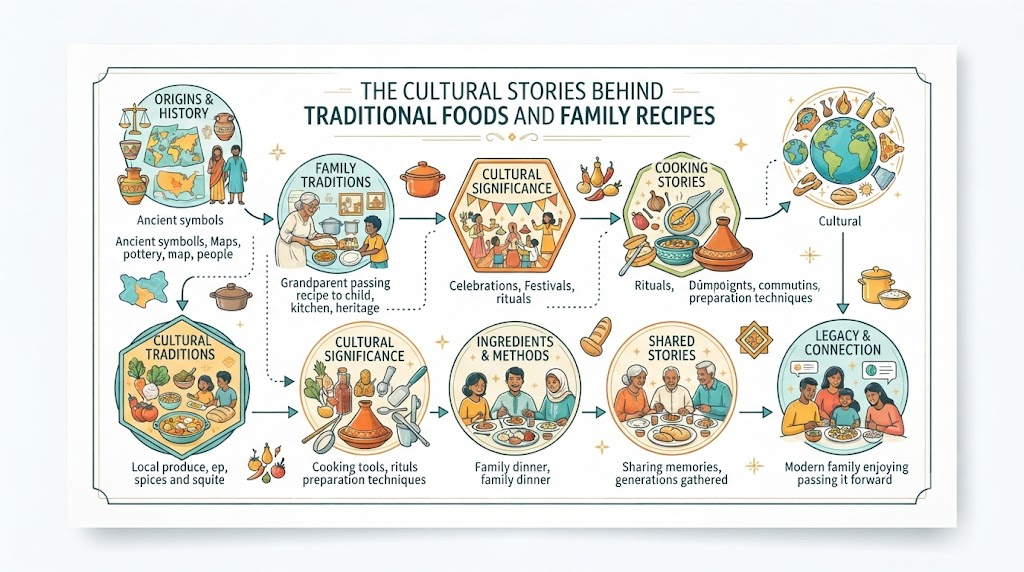
Walking into a warm kitchen filled with the rich aroma of slow-cooked spices always feels like stepping back in time. Those comforting flavors usually come from treasured meals handed down by older relatives who cooked with love rather than measurements. Yet, as our daily routines speed up, many of these wonderful dishes and family secrets risk fading away quietly. Platforms like Blendz make it wonderfully simple to explore these captivating food stories and celebrate the history behind every plate. Let us explore why keeping traditional and forgotten recipes alive matters more than ever.
Why Traditional Recipes Matter
The meals we grow up eating are never just about filling our stomachs; they are edible pieces of history. Traditional recipes carry the laughter of past family gatherings, the rhythms of changing seasons, and the collective memory of entire communities. When we cook these dishes, we are actively participating in a living tradition passed down by our ancestors. Local ingredients and time-honored cooking methods tie us directly to the lands our families called home. Preserving these plates helps us understand our roots and keeps our cultural identity vibrant.
Why Some Recipes Become Lost or Forgotten
It is easy to wonder how a beloved family meal can simply vanish from the dinner table over time. Generations ago, home cooks did not rely on written cookbooks; instead, they kept every proportion and technique entirely in their heads. When those elders moved away or passed on without teaching the next generation, valuable knowledge slipped through the cracks. Busy modern schedules and the convenience of instant meals also drew people away from spending hours in the kitchen. Furthermore, families relocating to new cities often could not find original regional ingredients, leading dishes to evolve or disappear altogether.
The Special Place of Grandmother Recipes
There is an unmistakable comfort attached to recipes handed down by grandmothers and older family members. Those seasoned home cooks rarely bothered with exact measuring cups, trusting instead on their instincts, sight, and intuition. Standing beside them in the kitchen meant learning how to judge a dough by its touch or a stew by its fragrance. Those dishes carry deeply personal memories of childhood comfort and holiday cheer. Keeping those kitchen lessons alive ensures that a piece of our family history remains at the heart of our homes.
Traditional Food Recipes and Regional Identity
Every traditional food recipe tells a distinct story shaped by geography, climate, and local agriculture. Coastal towns naturally mastered seafood, while mountain communities relied on hearty grains, dried meats, and seasonal vegetables. Even neighboring villages often argue lovingly over whose version of a classic stew is the true favorite. These delightful regional variations remind us how wonderfully creative local populations were in turning simple, available harvests into culinary masterpieces.
Exploring Ancient Recipes and Old Cooking Traditions
When we look at ancient recipes, we are peering into the kitchens of centuries past. These culinary artifacts might include primitive methods of smoking meat, baking flatbreads on hot stones, or utilizing wild grains forgotten by modern farming. Food historians piece these practices together through old manuscripts, archaeological digs, and oral histories. It helps to remember that modern versions are heartfelt tributes inspired by these past traditions rather than exact replicas. Exploring these roots offers a fascinating look at how earlier humans fed and cared for their communities.
Food Heritage and Why It Should Be Preserved
Our food heritage is the delicious collection of everything we eat, share, and celebrate across generations. Safeguarding this heritage involves writing down family cooking secrets, honoring indigenous ingredients, and keeping old festival customs alive. Documenting these practices ensures that future cooks can still experience the true flavors of our shared culinary history. Maintaining this heritage acts as a tasty bridge connecting our past to our present-day dinner tables.
The Role of Rare Ingredients in Traditional Cooking
Many older dishes rely on rare ingredients that are hard to find in a standard modern supermarket. Wild-foraged herbs, heirloom grains, and specialty local vegetables give authentic dishes their signature depth of flavor. When those specific items are unavailable, modern cooks often experiment with smart substitutions, though it can slightly shift the character of the meal. Tracking down these uncommon elements helps support agricultural biodiversity and saves unique regional flavors from extinction.
Festival Food Recipes and Cultural Celebrations
Food has always been the joyful anchor of cultural celebrations and festive holidays worldwide. Communities gather during specific times of the year to prepare special festival food recipes that are saved exclusively for joyful occasions. These dishes often feature seasonal ingredients and complex preparation steps handed down through decades. Sharing these meals strengthens community bonds, honors ancestral values, and creates magical memories for everyone involved.
Traditional Recipes From Around the World
Every corner of the globe features brilliant ways to turn basic local ingredients into extraordinary comfort food. Traditional recipes from around the world highlight how diverse climates, histories, and cultural philosophies influence our plates. From spiced grain bowls in North Africa to slow-cooked noodle broths in East Asia, global cuisines offer endless culinary inspiration. Discovering these varied traditions reminds us that while ingredients change across borders, the human love for a shared meal is universal.
How Traditional Recipes Can Be Preserved Today
Protecting your family’s culinary legacy does not require professional equipment or complicated software. You can easily begin by writing down favorite dishes in a dedicated notebook or digital folder. Sit down with older relatives to record the stories, tips, and little secrets behind their cooking. Snap a few pictures of the preparation steps and the final plated meal to preserve the visual memory. Sharing these collected notes with younger family members guarantees that your unique food traditions will thrive for years to come.
How Blendz Helps People Explore Food and Recipe Stories
Uncovering new culinary traditions is a thrilling adventure that brings food lovers closer together. Blendz offers a welcoming digital space for anyone eager to explore food-related content, discover fresh ideas, and share kitchen experiences. Whether you want to find inspiration from a distant culture or understand the story behind a regional comfort food, the platform makes learning effortless and fun. Visit Blendz to dive deeper into the wonderful universe of food heritage and culinary storytelling.
What Makes a Traditional Recipe Meaningful?
The true worth of a traditional recipe goes far beyond its ingredient list or cooking time. It lies in the shared laughter, family memories, and cultural history wrapped up in every single bite. Those careful techniques and handed-down tips turn an ordinary dinner into a meaningful connection with the past. Understanding the background of what we cook makes every meal feel richer and more rewarding.
Traditional Recipes vs Modern Recipes
| Aspect | Traditional Recipes | Modern Recipes |
| Ingredients | Often local or regional | May use widely available ingredients |
| Cooking Methods | Traditional techniques | May use modern kitchen equipment |
| Measurements | Sometimes flexible | Usually more precise |
| Cultural Connection | Often closely linked to family or community | Can be more experimental |
| Variations | Often shaped by region and family | Often shaped by personal preference |
How to Research an Old or Forgotten Recipe
- Sit down with older relatives to listen to their kitchen memories and cooking stories.
- Look through old family photograph albums for clues about past feasts and gatherings.
- Check old household drawers for handwritten recipe cards or stained notebook pages.
- Note down local ingredient names and traditional slang terms used by your family.
- Write down different family variations of the same dish to capture every perspective.
- Test the recipe in your own kitchen to recreate the right balance of taste and texture.
Food Heritage Elements
| Element | Description |
| Recipes | Family and regional dishes passed down through generations |
| Ingredients | Local, seasonal, and indigenous food items |
| Cooking Methods | Traditional techniques like open-fire cooking and fermentation |
| Festivals | Special community celebrations featuring specific seasonal dishes |
| Family Traditions | Regular gatherings and shared mealtime customs |
Frequently Asked Questions — Primary FAQs
- What are lost recipes?Lost recipes are traditional dishes that people used to cook often but stopped making because the instructions were never written down.
- Why are traditional recipes important?They protect family history, cultural identity, local farming habits, and kitchen wisdom across generations.
- How do forgotten recipes happen?They usually fade away due to busy lifestyles, missing written instructions, and the shift toward fast convenience foods.
- What makes grandmother recipes so special?They carry deep childhood memories and rely on intuitive cooking techniques born from years of practice.
- Where can I find authentic traditional food recipes?You can find them by chatting with older family members, browsing community cookbooks, or visiting food platforms like Blendz.
- What do people mean by ancient recipes?They refer to historical dishes and preparation methods inspired by food customs from centuries past.
- What is food heritage?Food heritage includes all the recipes, ingredients, cooking tools, and stories that define a culture’s culinary history.
- Why are rare ingredients important in old dishes?They supply the authentic flavors, textures, and historical context that define classic regional cooking.
- How do festival food recipes reflect culture?They unite communities during seasonal holidays, celebrating shared values and ancestral customs through special dishes.
- How can I explore traditional recipes from around the world?You can read international cookbooks, watch cultural cooking segments, and browse culinary storytelling websites.
- How do I start preserving my family recipes?Start by interviewing older relatives, writing down ingredient proportions, and noting the stories behind each meal.
- Can Blendz help me discover new food stories?Yes, Blendz is a great platform for exploring culinary traditions, food heritage articles, and inspiring recipe ideas.
Frequently Asked Questions — Related FAQs
- How were traditional recipes usually passed down?They were shared by word of mouth through hands-on cooking practice side-by-side in the kitchen.
- How can I record my grandmother recipes accurately?Cook alongside your relative, measure ingredients as they use them, and jot down every helpful tip they offer.
- Why do regional ingredients matter in traditional cooking?Local ingredients ensure the dish tastes authentic and matches the natural environment of its origin.
- How do festival foods help preserve culture?Preparing special holiday dishes teaches younger generations about their cultural background and community roots.
- What is the best way to research a forgotten family recipe?Gather memories from relatives, then test different ingredient combinations until the flavor matches their childhood recollection.
- Why do family recipes often have different variations?As family members move to new places, they adapt recipes based on available local ingredients and personal taste.
- How does food heritage connect different generations?Sharing classic family meals creates strong bonds and sparks wonderful conversations about ancestry.
- How can modern cooks respect traditional recipes?Modern cooks can honor traditional concepts and flavors while thoughtfully adapting them for contemporary kitchens.
Final Thoughts
Traditional and forgotten recipes hold the stories, laughter, and wisdom of the people who shaped our lives. Preserving these plates lets us honor our cultural background and pass meaningful memories to the next generation. By exploring how families cooked long ago, we grow a deeper appreciation for the food on our tables today. Platforms like Blendz offer a wonderful way to uncover these rich culinary traditions and food stories. Take a moment this week to write down a family recipe and keep your unique food heritage alive.
