Introduction
When a family receives news about a complex neurological condition, the room often feels like it stops spinning. In those quiet, heavy moments, the search for answers can feel overwhelming, lonely, and full of heavy questions. Finding the right medical care is not just about looking at credentials; it is about finding a team you can trust with what matters most. Comparing different facilities, doctors, and available support systems helps bring clarity during an uncertain time. Platforms like BrainSurgeryHospitals are here to help people gently research and explore their options without added stress. This guide is written to walk beside you, offering clear and comforting insights as you navigate your healthcare journey.
Why Choosing the Right Brain Surgery Hospital Matters
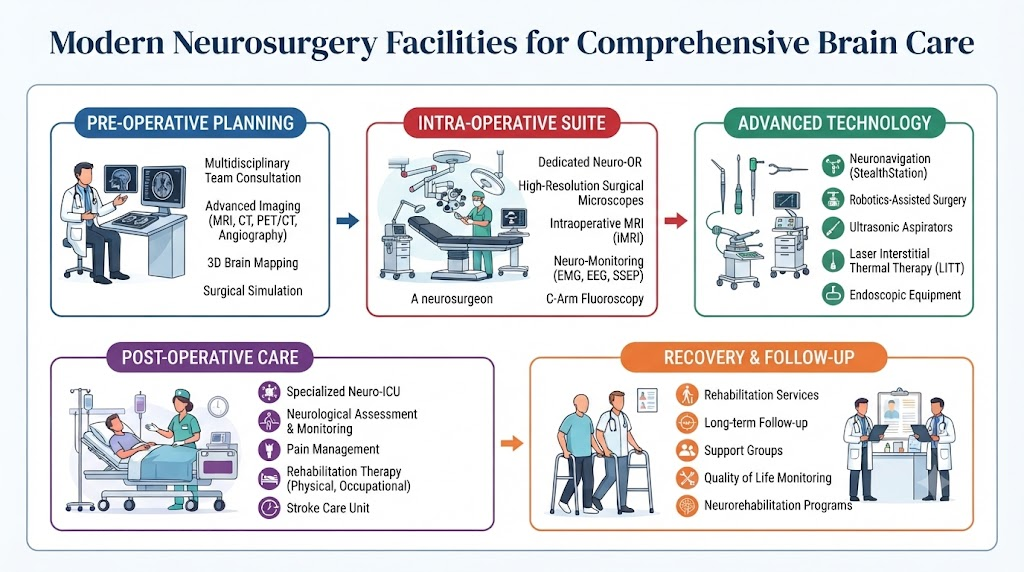
Stepping into a specialized medical center can change how a patient and their family experience treatment. The human brain and spine require a delicate touch, advanced technology, and a dedicated team that works together seamlessly.
When families look at brain surgery hospitals, they are searching for a safe harbor that offers:
- Deep Neurosurgical Expertise: Skilled surgeons and nurses who treat complex cases every single day with compassion and precision.
- Advanced Diagnostic Tools: Clear imaging equipment that helps doctors understand the exact picture without unnecessary guesswork.
- Comprehensive Treatment Paths: Access to medical, surgical, and supportive care options tailored to a person’s unique story.
- Specialized Intensive Care Units: Dedicated recovery spaces where compassionate nurses monitor patients closely around the clock.
- Rehabilitation Support: Physical, occupational, and speech therapy teams who help patients gently regain their strength and independence.
- Comfortable Proximity: Being close enough to home so that family members can visit easily and offer emotional warmth.
Every individual’s health journey is entirely their own. Taking the time to research a facility helps ensure that the environment matches both medical needs and personal comfort.
How to Compare Neurosurgery Hospitals
Comparing hospitals can feel like sorting through a maze of medical terms and unfamiliar names. A gentle, step-by-step approach helps families focus on what truly matters for their loved one’s well-being.
When looking closely at different neurosurgery hospitals, it helps to consider:
- Dedicated Care Units: Knowing that the hospital has specialized departments where everyone understands neurological care.
- Specialist Backgrounds: Reviewing the experience, training, and approachable nature of the doctors on staff.
- Modern Equipment: Ensuring the operating rooms are equipped with reliable, up-to-date surgical and monitoring technology.
- Patient-Centered Support: Finding hospitals that provide care coordinators or social workers to help families navigate daily questions.
- Warmth in Recovery: Looking at how the hospital supports patients during the critical days right after a procedure.
- Clear Communication: Valuing institutions that take time to explain things patiently in plain, human words.
The right choice always centers on the patient’s specific health story, comfort level, and the guidance of trusted primary doctors.
How to Find Experienced Brain Surgeons and Neurosurgeons
Behind every successful medical procedure is a human being who has dedicated their life to healing. Finding a doctor who combines brilliant skill with genuine empathy can make all the difference in the world.
When researching brain surgeons and neurosurgeons, keep these comforting thoughts in mind:
- Focused Experience: Look for specialists who regularly care for conditions similar to the one your family is facing.
- Listening Skills: The best doctors are those who listen patiently, answer questions without rushing, and respect your family’s concerns.
- Hospital Connections: Check which respected medical centers the specialist works with to ensure seamless inpatient care.
- Collaborative Approach: Doctors who consult openly with other specialists often provide the most well-rounded care plans.
- Trust Your Instincts: A good doctor-patient relationship should make you feel heard, respected, and safe.
Taking your time to meet with specialists and ask heartfelt questions helps build trust before any major decisions are made.
Finding Brain Tumor Surgery Hospitals
Hearing a brain tumor diagnosis brings a wave of heavy emotions for anyone. Finding a hospital that treats patients with both cutting-edge science and tender care can bring a sense of relief.
When researching brain tumor surgery hospitals, consider these meaningful factors:
- Multidisciplinary Teams: Centers where neurosurgeons, oncologists, and nurses sit together to talk through the best path forward for each individual.
- Precision Imaging: Advanced scans that help specialists protect healthy brain tissue while focusing entirely on the tumor.
- Supportive Healing Environments: Places that offer emotional counseling, pain management, and nutritional support alongside medical treatment.
- Compassionate Care Coordination: Staff members who help guide families through scheduling, tests, and recovery steps.
It is important to remember that surgery is not always the immediate answer for every brain tumor. Treatment depends deeply on the tumor’s size, type, location, and the patient’s overall health as evaluated by an expert.
Understanding Brain Tumor Treatment Options
No two brain tumors are exactly alike, which means treatment plans are always deeply personal. Knowing that options exist can help families feel more grounded during uncertain times.
Common approaches considered by medical teams include:
- Active Monitoring: For slow-growing conditions, doctors may suggest regular imaging to watch and wait safely.
- Surgical Care: When appropriate, surgery is designed to safely remove as much of the tumor as possible while protecting daily function.
- Radiation Therapy: Targeted energy beams used to manage tumor cells when surgery may not be the primary choice.
- Medication Paths: Specialized drug treatments tailored to the specific nature of the tumor cells.
- Gentle Supportive Care: Therapies focused on keeping the patient comfortable, active, and supported emotionally.
Decisions regarding brain tumor treatment are made collaboratively after careful testing and compassionate discussions between the family and their medical team.
What to Know About Brain Aneurysm Surgery
Learning about a brain aneurysm can feel frightening, but understanding how modern medicine approaches it can bring great reassurance.
Key aspects of caring for a brain aneurysm include:
- Detailed Imaging: Clear scans that let doctors see the exact size and shape of the blood vessel bulge.
- Thoughtful Observation: Small, stable aneurysms are often monitored safely over time with routine check-ups.
- Surgical Clipping: A delicate procedure where a specialist places a tiny clip to stop blood flow into the aneurysm safely.
- Endovascular Coiling: A less invasive method where tiny coils are guided through blood vessels to secure the area from within.
- Long-Term Peace of Mind: Routine follow-up scans to ensure everything remains stable and secure.
Not every aneurysm requires instant surgery. If you or a loved one ever experiences a sudden, severe headache unlike anything felt before, seek emergency medical care right away.
Understanding Epilepsy Surgery
Living with seizures can make daily life feel unpredictable. When medications alone do not bring relief, exploring surgical options can open a new door toward stability and peace.
Important parts of epilepsy care include:
- Detailed Specialist Evaluation: Neurologists working together to understand exactly where in the brain seizures begin.
- Comfortable Monitoring: Specialized video monitoring units that record electrical activity safely in a supportive hospital setting.
- Advanced Brain Mapping: Detailed scans that help locate the exact source of seizure activity.
- Surgical Solutions: Thoughtful procedures aimed at stopping seizures or reducing their frequency and intensity.
- Recovery and Encouragement: Dedicated support teams helping patients adjust and reclaim their daily lives.
Surgery is always considered carefully as a supportive step after other medical paths have been thoroughly explored.
Minimally Invasive Brain Surgery
Medical technology has grown kinder over the years, offering smaller approaches that help the body heal more gently when appropriate.
Key aspects of minimally invasive brain surgery include:
- Smaller Openings: Utilizing tiny incisions or natural pathways to reach targeted areas with minimal disruption.
- Advanced Instruments: High-definition cameras and specialized tubular tools that help protect surrounding healthy brain tissue.
- Gentle Recovery: These methods can sometimes mean shorter hospital stays and a smoother transition home.
- Individual Suitability: Minimally invasive options are not right for every situation; they depend entirely on the patient’s unique diagnosis and anatomy.
A heartfelt conversation with your neurosurgeon will help determine which surgical technique offers the safest path forward.
When a Neurosurgery Second Opinion May Help
Seeking a second opinion is never an insult to your first doctor; it is an act of love and dedication to your own health.
A second opinion can bring comfort by:
- Confirming Details: Ensuring that all scans, tests, and diagnoses have been looked at from every helpful angle.
- Exploring New Ideas: Discovering alternative treatments or surgical methods available at other specialized centers.
- Bringing Peace of Mind: Helping you feel completely confident and settled before moving forward with a major medical choice.
- Answering Lingering Questions: Giving you a fresh space to ask everything on your mind.
Taking this extra step can quiet doubts and help your family walk forward with a united heart.
How Location, Specialty, and Treatment Needs Affect Your Choice
Choosing a hospital is deeply personal because no two people share the exact same needs.
When weighing your options, consider:
- The Specific Condition: A person looking into epilepsy care will look for different hospital strengths than someone researching aneurysm treatment.
- The Warmth of Proximity: Being close to friends and family can uplift a patient’s spirit during recovery, though traveling for specialized expertise is sometimes necessary.
- Post-Hospital Support: Ensuring that rehabilitation and follow-up care are easily accessible near your home.
Matching your personal needs with the right hospital environment creates a smoother, more comforting healing journey.
What Questions Should You Ask Before Choosing a Neurosurgical Hospital?
Having a conversation with your medical team is much easier when you have a list of gentle, practical questions ready in your hand.
Consider asking these questions during your consultations:
- How often does your team care for patients with this exact neurological condition?
- What diagnostic tests can we expect to complete here?
- What treatment approach do you recommend, and what does recovery look like?
- How does the hospital support patients and families emotionally and physically after surgery?
- What rehabilitation services are available on-site or nearby?
- How are critical care and post-operative monitoring managed?
- What financial counseling or insurance support does the hospital provide?
- How can we stay in touch with our care team between visits?
- What steps can we take at home to prepare for the transition after discharge?
- Are there patient support groups or resources you recommend for our family?
How BrainSurgeryHospitals Helps People Research Their Options
Finding reliable guidance in moments of health uncertainty can feel daunting. BrainSurgeryHospitals was created to be a warm, welcoming digital resource that lightens that load.
The platform helps families by:
- Guiding users through structured ways to explore brain surgery hospitals and neurosurgery hospitals near and far.
- Helping people find experienced brain surgeons and neurosurgeons based on their professional focus.
- Offering clear, simple overviews of brain tumor treatment, brain aneurysm surgery, and epilepsy surgery.
- Explaining gentle innovations like minimally invasive brain surgery and the value of a neurosurgery second opinion.
- Empowering patients with calm, trustworthy information before they sit down with medical specialists.
The website serves as a gentle companion in your research, helping you compare choices so you can make decisions with confidence and peace.
Neurosurgical Care Comparison Table
| Neurosurgical Need | Things to Check |
| Brain Tumor Care | Surgeon expertise, thorough diagnostics, treatment paths, supportive follow-up |
| Brain Aneurysm | Advanced imaging, specialist experience, monitoring versus intervention |
| Epilepsy Surgery | Comprehensive evaluation, seizure mapping, tailored treatment options |
| Minimally Invasive Surgery | Specialized techniques, equipment availability, patient suitability |
| Second Opinion | Medical records review, imaging re-evaluation, alternative care discussion |
Neurosurgical Care Focus Chart
[Initial Health Evaluation] ──> [Specialist Consultation] ──> [Care Plan Discussion] ──> [Surgical or Medical Care] ──> [Gentle Recovery & Support]
Note: This chart outlines the supportive, step-by-step pathway patients often follow when navigating neurosurgical care, from first discovering a condition to long-term healing.
Frequently Asked Questions — Primary FAQs
What are brain surgery hospitals?
Brain surgery hospitals are specialized medical centers equipped with advanced operating rooms, dedicated neurological intensive care units, and experienced surgical teams focused entirely on brain and spine care.
How do neurosurgery hospitals differ from regular hospitals?
Neurosurgery hospitals feature specialized neurological units, advanced brain imaging technology, and dedicated specialists who focus exclusively on disorders of the nervous system.
What should I look for in brain tumor surgery hospitals?
Important qualities include deep neurosurgical expertise, collaborative tumor boards, advanced diagnostic imaging, precision surgical tools, and compassionate post-operative rehabilitation support.
How do I find qualified brain surgeons?
You can research brain surgeons by checking their board certifications, professional experience, hospital associations, and reading feedback from patient consultations.
What qualifications should neurosurgeons have?
Neurosurgeons should hold medical degrees, specialized residency training in neurosurgery, state medical licenses, and board certification in neurological surgery.
What does brain tumor treatment involve?
Brain tumor treatment may include regular monitoring, surgical removal, radiation therapy, medications, or supportive care, decided by a specialist team based on tumor type and location.
When is brain aneurysm surgery considered?
Surgery or endovascular treatment may be considered when diagnostic imaging reveals an aneurysm with a risk of rupture, weighed carefully against the patient’s overall health.
What is epilepsy surgery?
Epilepsy surgery is a procedure considered for individuals whose seizures are difficult to control with medication, aiming to remove or quiet the specific area of the brain causing seizures.
What is minimally invasive brain surgery?
It is an advanced surgical approach using smaller openings, endoscopes, and specialized tools to treat conditions while protecting surrounding healthy brain tissue.
Why might I need a neurosurgery second opinion?
A second opinion helps confirm diagnoses, explore alternative treatment paths, and bring emotional peace of mind before making important medical decisions.
How do I compare neurosurgical hospitals effectively?
Compare hospitals by looking at their specialized departments, doctor credentials, technology, patient support services, location, and rehabilitation programs.
How do I choose the right neurosurgeon for my care?
Choose a neurosurgeon by verifying their experience with your specific condition, reviewing their communication style, and ensuring they practice at a trusted medical center.
Frequently Asked Questions — Related FAQs
How do I start comparing brain surgery hospitals near me?
Start by looking for local or regional medical centers with dedicated neurosurgery departments and reviewing their available services and specialist profiles online.
What should I check before choosing a neurosurgery hospital?
Check hospital accreditations, availability of specialized neuro-ICUs, technology standards, rehabilitation services, and whether the facility regularly manages your specific medical condition.
How can I verify a neurosurgeon’s background?
You can check state medical board websites, hospital staff directories, and professional medical association listings to verify licensing, training, and board certification.
Does hospital location matter for neurosurgical care?
Yes, location affects how easily family members can visit during recovery and how convenient follow-up visits will be, though specialized care may sometimes require traveling.
What diagnostic facilities are important in neurosurgery hospitals?
Important diagnostic tools include high-field MRI scanners, CT angiograms, PET scans, and specialized monitoring equipment for mapping brain function.
What factors influence brain tumor treatment decisions?
Decisions are influenced by the tumor’s type, size, exact location, genetic markers, and the patient’s overall health and personal preferences.
Can brain aneurysms be treated without open surgery?
Yes, many aneurysms can be treated using minimally invasive endovascular procedures, such as coiling, depending on the size and shape of the aneurysm.
What tests are done before epilepsy surgery?
Pre-surgical evaluations often include video-EEG monitoring, high-resolution MRIs, neuropsychological testing, and specialized functional brain scans.
Are minimally invasive neurosurgical procedures suitable for everyone?
No, suitability depends entirely on the specific medical condition, its location, and the patient’s individual anatomical characteristics as assessed by a specialist.
What kind of follow-up care is needed after neurosurgery?
Follow-up care typically includes routine clinical check-ups, follow-up imaging scans, and supportive rehabilitation therapies like physical, occupational, or speech therapy.
Final Thoughts
Navigating neurosurgical care is a journey that asks a lot of a family’s heart and strength. Taking time to compare hospitals, meet with specialists, and understand your options helps bring a sense of calm to an uncertain time. Because every neurological condition is as unique as the person experiencing it, care plans should always be tailored with deep personal care. Platforms like BrainSurgeryHospitals can gently assist you in researching hospitals and specialists to explore appropriate care paths. Always consult an appropriately qualified healthcare provider or neurosurgeon to discuss personal medical diagnoses, treatment decisions, and care options.
