Introduction
DevSecOpsSchool.com offers targeted educational tracks designed to embed safety measures directly into software development pipelines. Through interactive virtual environments and mentorship from seasoned practitioners, the curriculum equips engineers and enterprise workforces with foundational competencies in automated auditing, cloud defense, and pipeline hardening. Implementing these practices enables technical staff to mitigate vulnerabilities prior to release, protecting digital assets against sophisticated threats. By uniting applied projects with thorough instruction, DevSecOpsSchool.com empowers professionals to construct resilient applications efficiently.
Understanding DevSecOps Fundamentals
At its core, this discipline integrates safety protocols into every stage of the software lifecycle. Historically, evaluations occurred solely after code completion, frequently causing project delays and friction among departments.
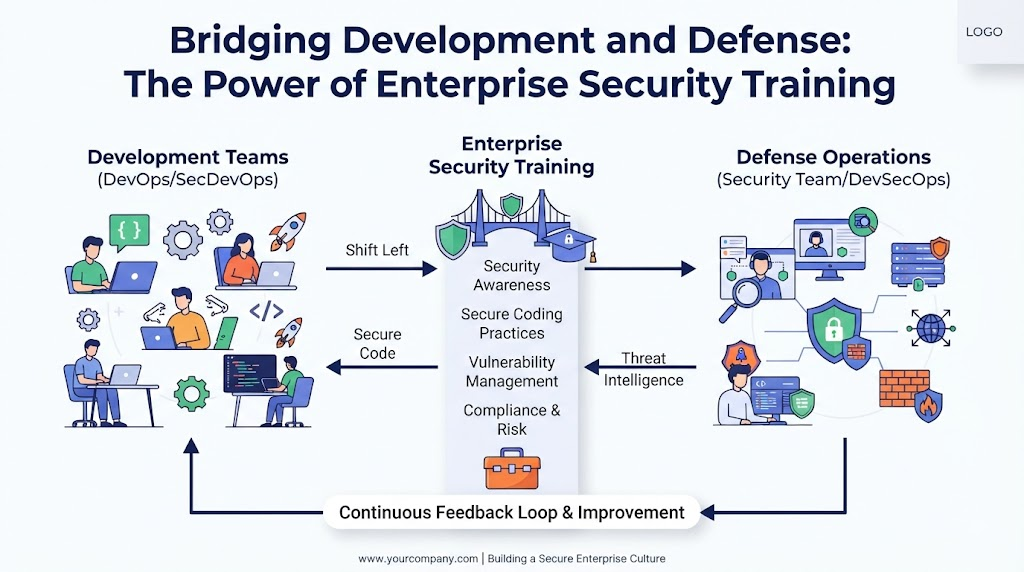
The modern approach bridges development, operations, and protection units into a collaborative collective. Automated checks occur continuously throughout deployment pipelines, allowing teams to identify flaws early, resolve issues swiftly, and release protected software rapidly. Engaging with a structured DevSecOps Training program guides practitioners through harmonizing security within everyday engineering routines.
Why Software Protection Competencies Matter
Digital threats expand constantly, with malicious actors probing cloud environments for weaknesses. Organizations can no longer treat safety measures as an afterthought.
Engineers cultivate these abilities to write cleaner code and safeguard enterprise data. Proficiency in cloud protection and automated validation makes practitioners highly sought after. Companies actively seek talent capable of maintaining rapid deployment cadences while ensuring robust application defense, unlocking substantial professional growth.
Validating Expertise Through Credentials
Acquiring an official credential demonstrates technical proficiency to prospective employers. A recognized DevSecOps Certification confirms your aptitude for operating modern defense tooling and constructing secure pipelines.
This validation reassures hiring managers regarding your practical readiness. It elevates your profile within competitive job markets, supports earning potential, and facilitates progression toward senior architectural or leadership assignments.
Curriculum Overview for Practical Learning
A comprehensive DevSecOps Course navigates students through every phase of building defended software systems. Participants study secure lifecycle methodologies, pipeline protection strategies, and automated vulnerability scanning.
Learners also investigate dependency management and container fortification. Rather than relying purely on abstract theory, students engage with realistic scenarios mirroring daily challenges faced by leading technology enterprises.
Practical Skill Acquisition Through Active Labs
Theoretical knowledge alone remains insufficient within technology domains. Authentic DevSecOps Certification Training prioritizes interactive laboratories, guided instruction, and real-time execution.
Direct engagement with industry-standard utilities clarifies how defense policies function within active environments. Practitioners develop the assurance required to remediate live vulnerabilities and secure cloud configurations successfully.
Enterprise Team Readiness Programs
Corporations encounter intense pressure to safeguard consumer data assets. Corporate DevSecOps Training assists entire technical departments in upgrading their security habits collectively.
These tailored programs align developers, quality specialists, and operations personnel around a shared defensive framework. Training as a synchronized unit minimizes vulnerabilities, accelerates delivery timelines, and fosters an internal safety culture.
Remote Learning Flexibility and Accessibility
Geographic constraints should never impede professional development. DevSecOps Online Training provides students worldwide with the autonomy to study from any location.
Remote participants receive full access to live instruction, interactive cloud laboratories, and adaptable schedules. This format suits working practitioners seeking to upgrade capabilities without interrupting current employment.
Localized Educational Pathways in India
India hosts one of the most dynamic technology sectors globally. Specialized DevSecOps Training in India equips domestic professionals with internationally benchmarked defense capabilities.
These initiatives emphasize industry requirements, practical aptitude, and mentorship. Individual engineers and corporate squads alike benefit greatly from these localized learning structures.
Specialized Credentials for Security Careers
Specialization requires mastering distinct technical domains. A dedicated DevSecOps Engineer Certification concentrates intensely on security automation, pipeline management, and production environment shielding.
Practitioners discover how to manage credentials, audit container registries, and enforce compliance policies automatically. This focused expertise prepares individuals for high-responsibility engineering assignments.
Stepping Into Professional Security Roles
Becoming a Certified DevSecOps Professional signifies comprehensive proficiency in shielding modern cloud-native architectures.
Learners acquire advanced testing techniques, compliance automation strategies, and threat-modeling skills. These competencies enable specialists to guide development squads toward safe coding standards enterprise-wide.
Cloud-Native Protection via Cluster Safeguards
Contemporary applications rely heavily on containerization and orchestration platforms. Specialized Kubernetes Security Training instructs practitioners on securing these dynamic environments.
Students explore role-based access management, network segmentation policies, image vulnerability analysis, and runtime defense. These proficiencies ensure cloud infrastructure remains resilient against unauthorized access.
Essential Security Toolchains Covered
Mastering appropriate utilities streamlines safety implementation across projects. Educational programs encompass numerous powerful instruments utilized by elite engineering teams:
- Pipeline and Automation Utilities: Jenkins, GitHub Actions, GitLab CI
- Inspection and Analysis Software: SonarQube, OWASP ZAP, Semgrep, Snyk, Trivy
- Container and Orchestration Frameworks: Docker, Kubernetes
- Infrastructure Provisioning and Policy Engines: Terraform, Checkov, HashiCorp Vault, OPA
- Cloud Infrastructure Providers: AWS, Azure, GCP
These utilities automate vulnerability assessments, inspect source code, manage credentials securely, and enforce standards across cloud estates.
Comparative Overview of Educational Options
| Pathway Category | Primary Focus Area | Principal Advantage |
| DevSecOps Training | Security and operational competence | Acquire practical working knowledge |
| DevSecOps Certification | Proficiency validation | Enhance professional career prospects |
| Corporate Programs | Team capability elevation | Strengthen organizational defenses |
| Online Instruction | Schedule flexibility | Learn conveniently from anywhere |
| Kubernetes Safeguards | Container protection | Advance cloud architecture skills |
How DevSecOpsSchool.com Empowers Learners
DevSecOpsSchool.com emphasizes accessible, applied security education. The platform features interactive laboratories where participants tackle realistic challenges rather than reviewing manuals.
Experienced mentors guide students through every tool and principle. Supported by career resources and structured certification pathways, learners cultivate the exact proficiencies demanded by top employers.
Frequent Pitfalls Encountered During Study
- Relying solely on theory: Reviewing textbooks without practical execution leaves learners unprepared for workplace demands.
- Neglecting utility practice: Skipping hands-on tool usage makes managing actual pipeline protections difficult.
- Overlooking foundational concepts: Advancing to complex topics without grasping basic principles creates confusion.
- Bypassing independent labs: Failing to construct personal test environments slows skill retention.
- Selecting programs without objectives: Enrolling randomly without clear career goals wastes time and effort.
Remedy: Prioritize structured, lab-intensive programs balancing core theories with live tool practice and clear professional milestones.
Selecting the Ideal Educational Program
- Verify whether the syllabus incorporates contemporary tools and realistic workflows.
- Ensure the offering provides extensive hands-on laboratory practice.
- Confirm instructors possess active, real-world industry experience.
- Assess whether the credential holds recognized value within the hiring market.
- Check that responsive learning support is available for technical inquiries.
Frequently Asked Questions
1. What constitutes DevSecOps Instruction?
Answer: It represents a structured curriculum focused on embedding safety verifications directly into software creation and deployment workflows.
2. Why are Professional Credentials Valuable?
Answer: Credentials validate practical defensive competencies, demonstrate expertise to employers, and support career advancement and remuneration growth.
3. What Subject Matter Appears in a Curriculum?
Answer: Programs encompass secure coding principles, pipeline protection, vulnerability inspection, container defense, and cloud safeguarding.
4. Who Benefits Most From Certification Training?
Answer: Software developers, operations engineers, cloud architects, security personnel, and technical managers all gain significant value.
5. Why Do Enterprises Invest in Team Programs?
Answer: Enterprise programs align entire technical departments around secure habits, minimizing organizational risk and fostering cross-functional collaboration.
6. What Advantages Accommodate Remote Study?
Answer: Remote learning provides geographical flexibility, adaptable scheduling, live mentorship, and virtual laboratory access from any region.
7. How Do Domestic Programs Assist Regional Practitioners?
Answer: Regional initiatives deliver practical, industry-aligned education structured to address the growing demand for security talent.
8. What Competencies Define Advanced Engineering Credentials?
Answer: They encompass advanced automation strategies, pipeline administration, container security, and cloud environment fortification.
9. Why Is Container Infrastructure Protection Critical?
Answer: It equips specialists to defend modern containerized applications and orchestration platforms against runtime vulnerabilities.
10. How Does DevSecOpsSchool.com Facilitate Growth?
Answer: The platform delivers interactive labs, realistic projects, expert mentorship, and practical training tailored for security careers.
Closing Perspectives
Integrating rigorous safety practices into technical workflows remains vital for contemporary engineers and growing enterprises. Investing in quality education ensures systems stay resilient against sophisticated digital threats. Structured instruction and recognized credentials bridge the divide between rapid development and dependable delivery. DevSecOpsSchool.com stands prepared to guide practitioners along this educational voyage, fostering capability, confidence, and enduring career success.
