Introduction
Inventory Management Systems (IMS) are software platforms that help businesses track, manage, and optimize inventory levels across warehouses, stores, and supply chains. In simple terms, an IMS ensures that the right products are available at the right place, at the right time—without overstocking or running out of stock.
In today’s fast-moving commerce environment, inventory accuracy directly impacts customer satisfaction, operational efficiency, and profitability. With global supply chains, omnichannel sales, and real-time fulfillment expectations, businesses can no longer rely on manual tracking or spreadsheets.
Common use cases include:
- Tracking stock across multiple warehouses or locations
- Managing inventory for eCommerce and retail stores
- Automating stock replenishment and demand forecasting
- Reducing stockouts and overstocking
- Managing raw materials in manufacturing environments
What buyers should evaluate:
- Real-time inventory visibility
- Multi-location and warehouse support
- Integration with ERP, POS, and eCommerce platforms
- Automation and forecasting capabilities
- Reporting and analytics
- Scalability for business growth
- Ease of use and onboarding
- Security and access controls
- Pricing and total cost of ownership
Best for: Retailers, eCommerce brands, wholesalers, manufacturers, and logistics companies managing stock across multiple channels or locations.
Not ideal for: Very small businesses with minimal inventory or companies already using ERP systems with built-in inventory modules sufficient for their needs.
Key Trends in Inventory Management Systems
- AI-based demand forecasting: Predictive analytics to optimize stock levels and reduce waste
- Real-time inventory tracking: IoT and barcode scanning for accurate stock visibility
- Cloud-native platforms: SaaS solutions enabling scalability and remote access
- Automation of replenishment: Smart reorder points and auto-purchase workflows
- Integration-first design: APIs connecting IMS with ERP, OMS, and eCommerce systems
- Omnichannel inventory management: Unified stock across online and offline channels
- Mobile-first operations: Inventory management via mobile apps and handheld devices
- Warehouse automation support: Integration with robotics and WMS systems
- Subscription-based pricing models: Flexible pricing based on usage and scale
- Security and compliance enhancements: Role-based access and audit logs
How We Selected These Tools (Methodology)
- Evaluated market adoption and global usage across industries
- Assessed core inventory features such as tracking, forecasting, and automation
- Reviewed performance and scalability for growing businesses
- Considered integration capabilities with ERP, POS, and eCommerce platforms
- Analyzed security posture and enterprise readiness
- Included tools suitable for SMB, mid-market, and enterprise segments
- Balanced ease of use vs feature depth
- Considered vendor support and ecosystem strength
- Focused on tools with modern cloud architecture and APIs
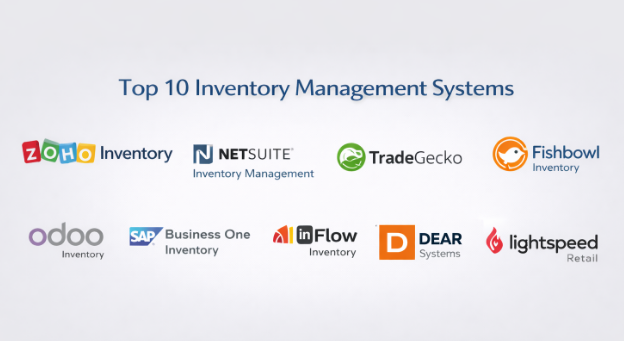
Top 10 Inventory Management Systems
#1 — Zoho Inventory
Short description: A cloud-based inventory management system designed for small to mid-sized businesses, especially those using Zoho ecosystem tools.
Key Features
- Multi-warehouse inventory tracking
- Order and shipment management
- Barcode scanning
- Automated reorder points
- Integration with Zoho apps
- Reporting and analytics
Pros
- Affordable and easy to use
- Strong integration within Zoho ecosystem
Cons
- Limited advanced features for large enterprises
- Customization constraints
Platforms / Deployment
Web / iOS / Android
Cloud
Security & Compliance
MFA, encryption; compliance varies
Integrations & Ecosystem
Integrates with Zoho suite and third-party tools.
- Accounting and CRM systems
- eCommerce platforms
- Shipping providers
- APIs for custom integration
Support & Community
Good documentation and SMB-focused support.
#2 — NetSuite Inventory Management
Short description: A robust inventory module within NetSuite ERP, suitable for mid-market and enterprise organizations.
Key Features
- Real-time inventory visibility
- Demand planning
- Multi-location support
- Inventory costing methods
- Automated replenishment
- ERP integration
Pros
- Strong ERP integration
- Scalable for growing businesses
Cons
- Requires NetSuite ecosystem
- Complex implementation
Platforms / Deployment
Web
Cloud
Security & Compliance
SSO, RBAC; compliance varies
Integrations & Ecosystem
- ERP and finance systems
- CRM tools
- APIs
Support & Community
Strong enterprise-level support.
#3 — TradeGecko (QuickBooks Commerce)
Short description: Inventory and order management solution for growing eCommerce and wholesale businesses.
Key Features
- Inventory tracking
- Multi-channel sales management
- Order management
- Reporting dashboards
- Demand forecasting
Pros
- Easy to use interface
- Good for eCommerce businesses
Cons
- Limited enterprise capabilities
- Some features may vary
Platforms / Deployment
Web
Cloud
Security & Compliance
Not publicly stated
Integrations & Ecosystem
- Accounting tools
- Marketplaces
- Shipping providers
- APIs
Support & Community
Varies; documentation available.
#4 — Cin7
Short description: A connected inventory platform designed for retail, wholesale, and eCommerce businesses.
Key Features
- Inventory synchronization
- POS and eCommerce integration
- Automation workflows
- Multi-channel management
- Reporting
Pros
- Strong omnichannel capabilities
- Good integration support
Cons
- Learning curve for new users
- Pricing may increase with scale
Platforms / Deployment
Web
Cloud
Security & Compliance
Not publicly stated
Integrations & Ecosystem
- POS systems
- eCommerce platforms
- Shipping tools
- APIs
Support & Community
Good onboarding support.
#5 — Fishbowl Inventory
Short description: A popular inventory system for manufacturing and warehouse management, often used with QuickBooks.
Key Features
- Inventory tracking
- Manufacturing support
- Barcode scanning
- Warehouse management
- Reporting
Pros
- Strong manufacturing features
- Good QuickBooks integration
Cons
- Older interface
- Limited cloud-native capabilities
Platforms / Deployment
Windows / Web
Self-hosted / Hybrid
Security & Compliance
Not publicly stated
Integrations & Ecosystem
- Accounting tools
- ERP systems
- APIs
Support & Community
Established user base and support.
#6 — Odoo Inventory
Short description: Open-source inventory management module within Odoo ERP, suitable for customizable workflows.
Key Features
- Real-time inventory tracking
- Warehouse management
- Automation rules
- Barcode support
- Integration with Odoo apps
Pros
- Highly customizable
- Open-source flexibility
Cons
- Requires technical setup
- Customization effort
Platforms / Deployment
Web
Cloud / Self-hosted
Security & Compliance
RBAC, encryption; compliance varies
Integrations & Ecosystem
- Odoo modules
- APIs
- Custom integrations
Support & Community
Strong community; support varies by deployment.
#7 — SAP Business One Inventory
Short description: Inventory management solution for small to mid-sized enterprises within SAP Business One ecosystem.
Key Features
- Inventory tracking
- Warehouse management
- Reporting
- ERP integration
- Automation workflows
Pros
- Strong SAP ecosystem
- Reliable for SMB enterprises
Cons
- Requires SAP expertise
- Higher cost
Platforms / Deployment
Web / Windows
Cloud / On-premise
Security & Compliance
Enterprise-grade security; details vary
Integrations & Ecosystem
- SAP ERP
- CRM systems
- APIs
Support & Community
Strong enterprise support.
#8 — InFlow Inventory
Short description: A simple and effective inventory system for small businesses and warehouses.
Key Features
- Inventory tracking
- Order management
- Barcode scanning
- Reporting
- Multi-location support
Pros
- Easy setup
- User-friendly interface
Cons
- Limited advanced features
- Not ideal for large enterprises
Platforms / Deployment
Web / Windows / iOS / Android
Cloud / On-premise
Security & Compliance
Not publicly stated
Integrations & Ecosystem
- Accounting tools
- Shipping platforms
- APIs
Support & Community
SMB-focused support.
#9 — DEAR Systems (Cin7 Core)
Short description: Inventory and order management solution for retail and manufacturing businesses.
Key Features
- Inventory tracking
- Manufacturing workflows
- Demand forecasting
- Automation
- Multi-channel support
Pros
- Strong feature set
- Good for scaling businesses
Cons
- Complex setup
- Pricing may vary
Platforms / Deployment
Web
Cloud
Security & Compliance
Not publicly stated
Integrations & Ecosystem
- Accounting tools
- eCommerce platforms
- APIs
Support & Community
Good documentation and support.
#10 — Lightspeed Retail
Short description: Retail-focused inventory system integrated with POS and eCommerce capabilities.
Key Features
- Inventory tracking
- POS integration
- Reporting
- Multi-store management
- Customer insights
Pros
- Retail-friendly design
- Integrated POS
Cons
- Limited manufacturing features
- Pricing may vary
Platforms / Deployment
Web / iOS / Android
Cloud
Security & Compliance
MFA, encryption; compliance varies
Integrations & Ecosystem
- POS systems
- eCommerce platforms
- APIs
Support & Community
Strong support for retail users.
Comparison Table (Top 10)
| Tool Name | Best For | Platform(s) Supported | Deployment | Standout Feature | Public Rating |
|---|---|---|---|---|---|
| Zoho Inventory | SMBs | Web, Mobile | Cloud | Zoho ecosystem integration | N/A |
| NetSuite Inventory | Mid-market | Web | Cloud | ERP integration | N/A |
| TradeGecko | eCommerce SMB | Web | Cloud | Multi-channel sales | N/A |
| Cin7 | Retail & wholesale | Web | Cloud | Omnichannel inventory | N/A |
| Fishbowl Inventory | Manufacturing | Windows, Web | Hybrid | Manufacturing support | N/A |
| Odoo Inventory | Custom workflows | Web | Cloud/Self-hosted | Open-source flexibility | N/A |
| SAP Business One Inventory | SMB enterprise | Web, Windows | Cloud/On-premise | SAP integration | N/A |
| InFlow Inventory | Small business | Web, Mobile | Cloud/On-premise | Ease of use | N/A |
| DEAR Systems | Scaling businesses | Web | Cloud | Manufacturing + retail | N/A |
| Lightspeed Retail | Retail stores | Web, Mobile | Cloud | POS integration | N/A |
Evaluation & Scoring of Inventory Management Systems
| Tool Name | Core (25%) | Ease (15%) | Integrations (15%) | Security (10%) | Performance (10%) | Support (10%) | Value (15%) | Weighted Total |
|---|---|---|---|---|---|---|---|---|
| Zoho Inventory | 7 | 9 | 8 | 7 | 8 | 8 | 9 | 8.1 |
| NetSuite Inventory | 9 | 7 | 9 | 8 | 9 | 9 | 7 | 8.5 |
| TradeGecko | 7 | 8 | 8 | 6 | 7 | 7 | 8 | 7.6 |
| Cin7 | 8 | 7 | 8 | 7 | 8 | 8 | 7 | 7.8 |
| Fishbowl Inventory | 8 | 6 | 7 | 6 | 7 | 7 | 7 | 7.2 |
| Odoo Inventory | 8 | 6 | 9 | 7 | 8 | 7 | 8 | 7.9 |
| SAP Business One Inventory | 9 | 6 | 8 | 8 | 9 | 8 | 6 | 8.0 |
| InFlow Inventory | 6 | 9 | 7 | 6 | 7 | 7 | 9 | 7.8 |
| DEAR Systems | 8 | 7 | 8 | 7 | 8 | 8 | 7 | 7.8 |
| Lightspeed Retail | 7 | 8 | 8 | 7 | 8 | 8 | 7 | 7.9 |
How to interpret:
- Enterprise tools score higher in core features and scalability.
- SMB tools perform better in ease of use and value.
- Scores are comparative and should align with your business needs.
- A higher score does not always mean a better fit—context matters.
Which Inventory Management Systems
Solo / Freelancer
Choose simple tools like InFlow or Zoho Inventory for ease of use and quick setup.
SMB
Zoho Inventory, Cin7, and Lightspeed offer strong functionality without complexity.
Mid-Market
NetSuite and DEAR Systems provide scalability and integration depth.
Enterprise
SAP Business One and NetSuite are better suited for complex operations.
Budget vs Premium
- Budget: Zoho Inventory, InFlow
- Premium: NetSuite, SAP
Feature Depth vs Ease of Use
- Deep features: NetSuite, SAP
- Easy to use: Zoho, InFlow
Integrations & Scalability
Odoo and NetSuite are strong choices for flexible integrations.
Security & Compliance Needs
Enterprise solutions provide stronger governance and controls.
Frequently Asked Questions (FAQs)
1. What is an Inventory Management System?
It is a tool used to track, manage, and optimize stock levels across locations and channels.
2. How much does inventory software cost?
Costs vary depending on features and scale, typically subscription-based.
3. Can IMS integrate with eCommerce platforms?
Yes, most modern systems support integrations with online stores and marketplaces.
4. Is IMS necessary for small businesses?
It helps but may not be essential for very small operations with simple needs.
5. What are common mistakes when choosing IMS?
Ignoring scalability, integration needs, and long-term growth.
6. Can IMS automate stock replenishment?
Yes, many tools offer automated reorder points and forecasting.
7. Is cloud-based IMS better?
Cloud systems offer scalability and accessibility, but choice depends on needs.
8. How secure are inventory systems?
Most provide encryption and access controls; enterprise tools offer more compliance.
9. Can IMS handle multiple warehouses?
Yes, multi-location inventory tracking is a core feature.
10. How do I switch IMS platforms?
Plan migration carefully, test integrations, and ensure data accuracy.
Conclusion
Inventory Management Systems play a crucial role in modern business operations, especially in environments where speed, accuracy, and scalability are critical. Whether you are managing a small retail shop or a global supply chain, the ability to track inventory in real time and automate processes can significantly improve efficiency and reduce costs. However, the “best” system depends entirely on your business size, complexity, and integration needs. SMBs may prioritize ease of use and affordability, while enterprises require advanced features and deep integrations.
