Introduction
Fleet Management Tools are software platforms that help businesses track, manage, and optimize vehicles, drivers, and operations. In simple terms, they act as a central system for monitoring vehicle health, driver behavior, fuel usage, routes, and compliance requirements.
In the current landscape, fleet operations are no longer just about logistics—they are about efficiency, safety, sustainability, and data-driven decision-making. With increasing fuel costs, stricter compliance rules, and the rise of AI-powered analytics, fleet management tools have become essential for modern operations.
Real-world use cases include:
- Logistics companies optimizing delivery routes
- Construction firms managing heavy equipment fleets
- Ride-hailing and mobility platforms tracking drivers
- Field service teams improving technician dispatch
- Corporate fleets monitoring vehicle usage and maintenance
Key evaluation criteria buyers should consider:
- Real-time GPS tracking accuracy
- Driver behavior analytics
- Fuel management capabilities
- Maintenance scheduling
- Compliance reporting
- Integration with ERP/CRM systems
- Scalability and multi-location support
- Security and access control
- Pricing transparency
Best for: Logistics companies, transportation providers, field service organizations, delivery startups, and enterprises with large vehicle fleets.
Not ideal for: Businesses with very small fleets (1–2 vehicles), or those who only need basic tracking—simpler GPS tools or manual tracking may suffice.
Key Trends in Warehouse Fleet Management Tools
- AI-powered route optimization reducing fuel costs and delays
- Predictive maintenance using telematics data
- Increased adoption of IoT sensors and smart vehicle diagnostics
- Shift toward cloud-native and mobile-first platforms
- Real-time compliance tracking (ELD, driver hours, safety standards)
- Integration with supply chain and warehouse systems
- Usage-based pricing models replacing flat licensing
- Advanced driver scoring systems for safety improvement
- Sustainability tracking (carbon emissions monitoring)
- Open APIs enabling ecosystem integrations
How We Selected These Tools (Methodology)
- Strong market adoption across industries
- Comprehensive feature sets covering tracking, analytics, and compliance
- Proven reliability in large-scale deployments
- Security posture including access controls and encryption
- Integration capabilities with enterprise systems
- Fit across SMB, mid-market, and enterprise use cases
- Vendor support quality and onboarding experience
- Innovation in AI, automation, and analytics features
- Positive customer feedback signals (without relying on ratings)
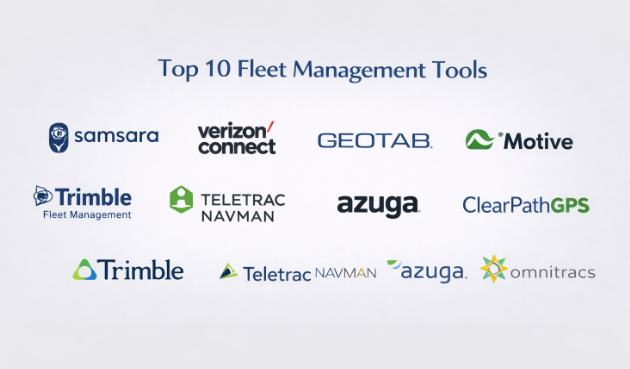
Top 10 Warehouse Fleet Management Tools
#1 — Samsara
Short description: A modern, cloud-based fleet management platform focused on real-time visibility, AI insights, and IoT connectivity. Ideal for logistics and enterprise fleets.
Key Features
- Real-time GPS tracking
- AI dashcams for driver safety
- Fuel usage monitoring
- Maintenance alerts
- Route optimization
- Compliance tracking
- Custom dashboards
Pros
- Strong AI and analytics capabilities
- Scales well for large fleets
Cons
- Pricing may be high for SMBs
- Requires hardware installation
Platforms / Deployment
Web / iOS / Android
Cloud
Security & Compliance
MFA, encryption, RBAC
SOC 2 (commonly associated, but details not publicly stated here)
Integrations & Ecosystem
Integrates with ERP, telematics devices, and logistics platforms
- APIs for custom integrations
- IoT device ecosystem
- Fleet analytics tools
Support & Community
Strong onboarding and enterprise support
Well-documented platform
#2 — Verizon Connect
Short description: A comprehensive fleet management solution with strong telematics and tracking capabilities for enterprises.
Key Features
- GPS fleet tracking
- Driver behavior monitoring
- Maintenance scheduling
- Route optimization
- Fuel tracking
- Reporting dashboards
Pros
- Reliable enterprise-grade platform
- Strong telematics capabilities
Cons
- Complex UI for beginners
- Setup can take time
Platforms / Deployment
Web / Mobile
Cloud
Security & Compliance
Encryption, RBAC
Not publicly stated
Integrations & Ecosystem
Supports integrations with logistics and ERP systems
- APIs available
- Telematics integrations
- Reporting tools
Support & Community
Enterprise support available
Documentation is solid
#3 — Geotab
Short description: A data-driven fleet management platform with strong telematics and analytics capabilities.
Key Features
- Advanced telematics
- Driver safety analytics
- Fuel monitoring
- Predictive maintenance
- Open platform integrations
Pros
- Highly customizable
- Strong analytics engine
Cons
- Requires technical setup
- UI may feel complex
Platforms / Deployment
Web / Mobile
Cloud
Security & Compliance
Encryption, audit logs
Not publicly stated
Integrations & Ecosystem
Open marketplace ecosystem
- APIs
- Third-party apps
- IoT integrations
Support & Community
Strong community and documentation
Partner ecosystem support
#4 — Fleetio
Short description: A user-friendly fleet management tool focused on maintenance tracking and operations management.
Key Features
- Maintenance scheduling
- Fuel tracking
- Asset tracking
- Inspection workflows
- Mobile-first interface
Pros
- Easy to use
- Great for maintenance tracking
Cons
- Limited advanced analytics
- Not ideal for large fleets
Platforms / Deployment
Web / iOS / Android
Cloud
Security & Compliance
Not publicly stated
Integrations & Ecosystem
Integrates with fuel cards and telematics
- APIs
- Maintenance tools
- Reporting systems
Support & Community
Good onboarding
Responsive support
#5 — Motive (formerly KeepTruckin)
Short description: A fleet management and compliance platform focused on driver safety and ELD compliance.
Key Features
- ELD compliance
- AI dashcams
- Driver monitoring
- Fuel tracking
- Safety reporting
Pros
- Strong compliance features
- Good driver safety tools
Cons
- Limited customization
- Pricing varies
Platforms / Deployment
Web / Mobile
Cloud
Security & Compliance
MFA, encryption
Compliance-focused features
Integrations & Ecosystem
Integrates with logistics platforms
- APIs
- Compliance tools
- Safety analytics
Support & Community
Good support for compliance use cases
#6 — Trimble Fleet Management
Short description: A robust solution for transportation and logistics companies with strong route optimization.
Key Features
- Route planning
- Fleet tracking
- Driver management
- Fuel optimization
- Reporting tools
Pros
- Strong routing capabilities
- Reliable performance
Cons
- Complex setup
- Higher cost
Platforms / Deployment
Web / Mobile
Cloud
Security & Compliance
Not publicly stated
Integrations & Ecosystem
Supports enterprise integrations
- APIs
- Logistics systems
- Supply chain tools
Support & Community
Enterprise-level support
#7 — Teletrac Navman
Short description: A fleet management platform focused on telematics and compliance for global fleets.
Key Features
- GPS tracking
- Driver monitoring
- Compliance reporting
- Fuel tracking
- Analytics dashboards
Pros
- Global fleet support
- Good compliance tools
Cons
- Interface can be dated
- Customization limited
Platforms / Deployment
Web / Mobile
Cloud
Security & Compliance
Not publicly stated
Integrations & Ecosystem
Supports integration with fleet tools
- APIs
- Reporting tools
- Telematics devices
Support & Community
Reliable support services
#8 — Azuga
Short description: A cost-effective fleet management solution for SMBs with strong safety and tracking features.
Key Features
- GPS tracking
- Driver rewards system
- Fuel monitoring
- Safety alerts
- Reporting tools
Pros
- Affordable
- Easy to deploy
Cons
- Limited enterprise features
- Basic analytics
Platforms / Deployment
Web / Mobile
Cloud
Security & Compliance
Not publicly stated
Integrations & Ecosystem
Supports basic integrations
- APIs
- Reporting tools
Support & Community
Good SMB support
#9 — ClearPathGPS
Short description: A simple and reliable GPS fleet tracking solution for small to mid-sized fleets.
Key Features
- Real-time tracking
- Alerts and notifications
- Route history
- Mobile access
- Reporting
Pros
- Easy to use
- Quick setup
Cons
- Limited advanced features
- Not scalable for large fleets
Platforms / Deployment
Web / Mobile
Cloud
Security & Compliance
Not publicly stated
Integrations & Ecosystem
Limited integrations
- Basic APIs
Support & Community
Responsive support
#10 — Omnitracs
Short description: A long-established fleet management platform focused on compliance and logistics optimization.
Key Features
- Compliance management
- Fleet tracking
- Driver analytics
- Routing tools
- Reporting
Pros
- Strong compliance capabilities
- Industry experience
Cons
- Legacy interface
- Complex implementation
Platforms / Deployment
Web / Mobile
Cloud
Security & Compliance
Not publicly stated
Integrations & Ecosystem
Enterprise integrations available
- APIs
- Logistics tools
Support & Community
Enterprise support model
Comparison Table (Top 10)
| Tool Name | Best For | Platform(s) Supported | Deployment | Standout Feature | Public Rating |
|---|---|---|---|---|---|
| Samsara | Enterprise fleets | Web, Mobile | Cloud | AI-powered insights | N/A |
| Verizon Connect | Large enterprises | Web, Mobile | Cloud | Telematics strength | N/A |
| Geotab | Data-driven fleets | Web, Mobile | Cloud | Custom analytics | N/A |
| Fleetio | SMB maintenance | Web, Mobile | Cloud | Maintenance tracking | N/A |
| Motive | Compliance-heavy fleets | Web, Mobile | Cloud | ELD compliance | N/A |
| Trimble | Logistics optimization | Web, Mobile | Cloud | Route planning | N/A |
| Teletrac Navman | Global fleets | Web, Mobile | Cloud | Compliance tools | N/A |
| Azuga | SMBs | Web, Mobile | Cloud | Driver rewards | N/A |
| ClearPathGPS | Small fleets | Web, Mobile | Cloud | Simplicity | N/A |
| Omnitracs | Legacy enterprises | Web, Mobile | Cloud | Compliance | N/A |
Evaluation & Scoring of Fleet Management Tools
| Tool Name | Core (25%) | Ease (15%) | Integrations (15%) | Security (10%) | Performance (10%) | Support (10%) | Value (15%) | Weighted Total |
|---|---|---|---|---|---|---|---|---|
| Samsara | 9 | 8 | 9 | 8 | 9 | 8 | 7 | 8.5 |
| Verizon Connect | 9 | 7 | 8 | 8 | 9 | 8 | 7 | 8.3 |
| Geotab | 9 | 6 | 9 | 8 | 9 | 8 | 7 | 8.2 |
| Fleetio | 7 | 9 | 7 | 6 | 8 | 8 | 9 | 7.8 |
| Motive | 8 | 8 | 7 | 8 | 8 | 8 | 8 | 8.0 |
| Trimble | 9 | 6 | 8 | 7 | 9 | 8 | 7 | 8.1 |
| Teletrac Navman | 8 | 7 | 7 | 7 | 8 | 8 | 7 | 7.6 |
| Azuga | 7 | 9 | 6 | 6 | 7 | 7 | 9 | 7.5 |
| ClearPathGPS | 6 | 9 | 5 | 6 | 7 | 7 | 9 | 7.0 |
| Omnitracs | 8 | 6 | 7 | 7 | 8 | 8 | 6 | 7.4 |
How to interpret scores:
- Scores are relative comparisons within this category
- Higher core scores indicate stronger feature depth
- Ease reflects usability and onboarding
- Value balances pricing vs capabilities
- No single tool is “best”—context matters
Which Fleet Management Tools
Solo / Freelancer
- Choose simple tools like ClearPathGPS or Azuga
- Focus on affordability and ease of use
SMB
- Fleetio and Azuga offer strong balance
- Look for quick deployment and cost efficiency
Mid-Market
- Motive or Teletrac Navman provide scalability
- Prioritize compliance and integrations
Enterprise
- Samsara, Verizon Connect, and Geotab
- Focus on analytics, scale, and ecosystem
Budget vs Premium
- Budget: Azuga, ClearPathGPS
- Premium: Samsara, Trimble
Feature Depth vs Ease of Use
- Feature-rich: Geotab, Samsara
- Easy-to-use: Fleetio, Azuga
Integrations & Scalability
- Strong integrations: Samsara, Geotab
- Limited: ClearPathGPS
Security & Compliance Needs
- Compliance-heavy: Motive, Omnitracs
- Basic: SMB-focused tools
Frequently Asked Questions (FAQs)
1. What is the typical pricing model for fleet management tools?
Most tools use subscription-based pricing, often per vehicle per month. Some include hardware costs separately, while others bundle everything into one package.
2. How long does implementation take?
Implementation can range from a few days for SMB tools to several weeks for enterprise platforms that require hardware installation and system integration.
3. Do these tools require hardware installation?
Yes, most advanced fleet tools require GPS or telematics devices installed in vehicles for accurate data collection.
4. Are fleet management tools suitable for small businesses?
Yes, but small businesses should choose lightweight and cost-effective solutions instead of enterprise-grade platforms.
5. Can these tools integrate with existing systems?
Most modern tools provide APIs and integrations with ERP, CRM, and logistics platforms, though the depth varies.
6. How do fleet management tools improve safety?
They monitor driver behavior such as speeding, harsh braking, and fatigue, helping companies reduce accidents.
7. What are common mistakes when choosing a tool?
Overbuying features, ignoring integration needs, and underestimating implementation complexity are common issues.
8. Are these tools secure?
Most platforms provide encryption and access controls, but compliance certifications vary and should be verified.
9. Can I switch tools easily later?
Switching is possible but can be complex due to hardware dependencies and data migration requirements.
10. What alternatives exist to fleet management tools?
Basic GPS tracking apps or manual tracking methods can work for very small fleets, but they lack advanced features.
Conclusion
Fleet management tools have evolved from simple tracking systems into powerful operational platforms that combine analytics, automation, and compliance management. The right solution can significantly reduce operational costs, improve driver safety, and enhance overall fleet efficiency. However, the “best” tool depends heavily on your business size, fleet complexity, and integration requirements. Enterprises may prioritize scalability and analytics, while SMBs often focus on affordability and ease of use. The most practical next step is to shortlist two or three tools that align with your needs, run a pilot with real-world scenarios, and validate integrations, usability, and reporting capabilities before making a final decision.
